
















Productos
Segunda mano

Servicios

BuscaProdPublicidad1

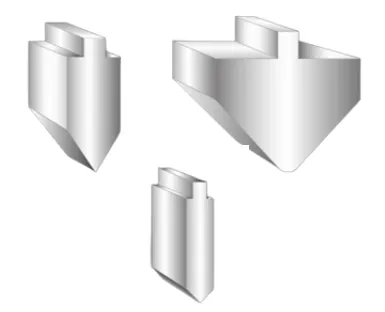
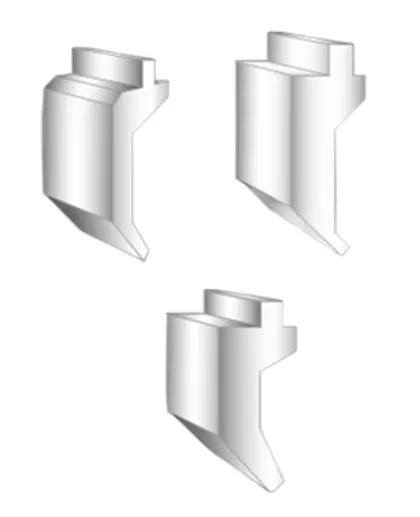
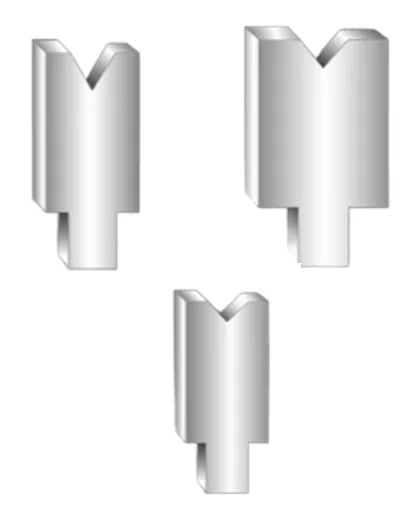
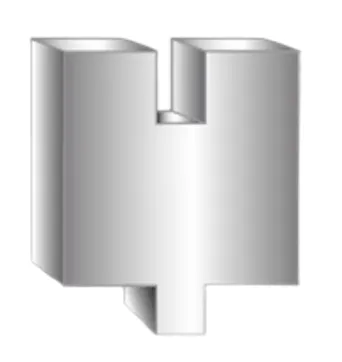
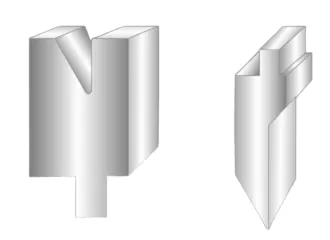
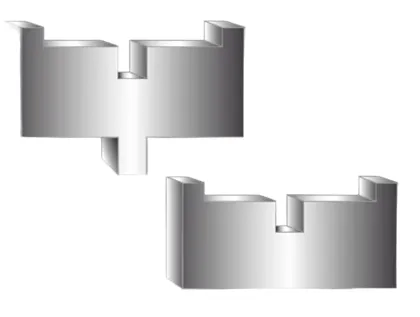
Clamping dies for press brakes: quick‑change & high precision

clamping dies quick‑change Wila/Trumpf compatible conversion kits

Upgrade setups with quick‑change clamping dies that deliver safety, speed and repeatability.

Match die profile, reference height and crowning to keep target angles across L–C–R. Plan conversions with validated adapters while protecting opening height and part quality.

  • Interchange tooling and cut rework
  • Standardized installation & verification workflow
  • Maintenance routines with traceable records

BuscaProdPublicidad2

System overview: how clamping dies deliver repeatability

Clamping dies lock the die in a repeatable seat for fast tool changes. Performance depends on bed‑ram parallelism, seat stiffness and the quality of guides/stops. Mechanisms can be mechanical, pneumatic or hydraulic—all require clean, flat interfaces.

ComponentRoleRisk if faultyControl
Clamp/colletPrimary retentionSlip, angle driftNominal torque or holding force
Guides/stopsLateral/longitudinal repeatabilityOff‑center punch‑V0.01 mm dial indicator & feeler gauges
Interface (profile)Wila/Trumpf compatibilityPlay or no mountVerify profile and reference height

Target: L–C–R angle variation ≤ ±0.5° and level Δ ≤ 0.05–0.10 mm after changeover.

Compatibility and selection criteria (Wila/Trumpf)

Choose by die profile, reference height, load capacity and changeover ergonomics. For high‑mix/low‑volume, prioritize front release and repeatable stops that minimize re‑alignment.

  • Confirm European profile and seat tolerances.
  • Match heights to keep opening and target angles.
  • Consider manual/automatic crowning range.
CriterionGuideline
Change frequencyHigh: quick release & repeatable stops
Part lengthLong: extended guides / dual stop
Surface finishSensitive: larger V or anti‑mark dies

Installation, alignment and post‑change verification

  1. Degrease seat and bearing faces; correct high spots with a straightedge.
  2. Present clamping die and tool; snug in a cross pattern.
  3. Sweep every 200–300 mm with a dial indicator: Δ ≤ 0.05–0.10 mm.
  4. Center punch‑V with gauges/straightedge; shim only if required.
  5. Record torque/crowning and L–C–R angles on a witness coupon.

Standardize the procedure per machine/shift to reduce variability.

Preventive maintenance, safety and traceability

Suggested routines

  • Daily: light cleaning and visual check.
  • Weekly: parallelism/torque verification.
  • Monthly: dimensional inspection of seat/blocks.

Avoid excess lubricant; residues alter effective heights and repeatability.

Minimum logbook

DateMachineDie P/NActivityΔ L–C–ROwner
__/__/__PB‑###XXXXTorque/Clean±0.3°Op.
__/__/__PB‑###XXXXInspection±0.4°Tech

Safety: LOTO during interventions, cut‑resistant gloves, face shield and safety shoes; never hammer to “seat” the assembly.

Frequently asked questions (FAQ)

Yes, if profile and reference height match. Otherwise use validated adapters that preserve stiffness and punch‑V centering.

Adapters add stack height and may reduce opening. Check interferences, crowning range and required force before production.

In high‑mix environments with frequent changeovers or when standardizing across machines; conversions reduce variability and setup time.
BuscaProdPublicidad3